Rocanville, Saskatchewan "Two Moons" (Personal Lore)
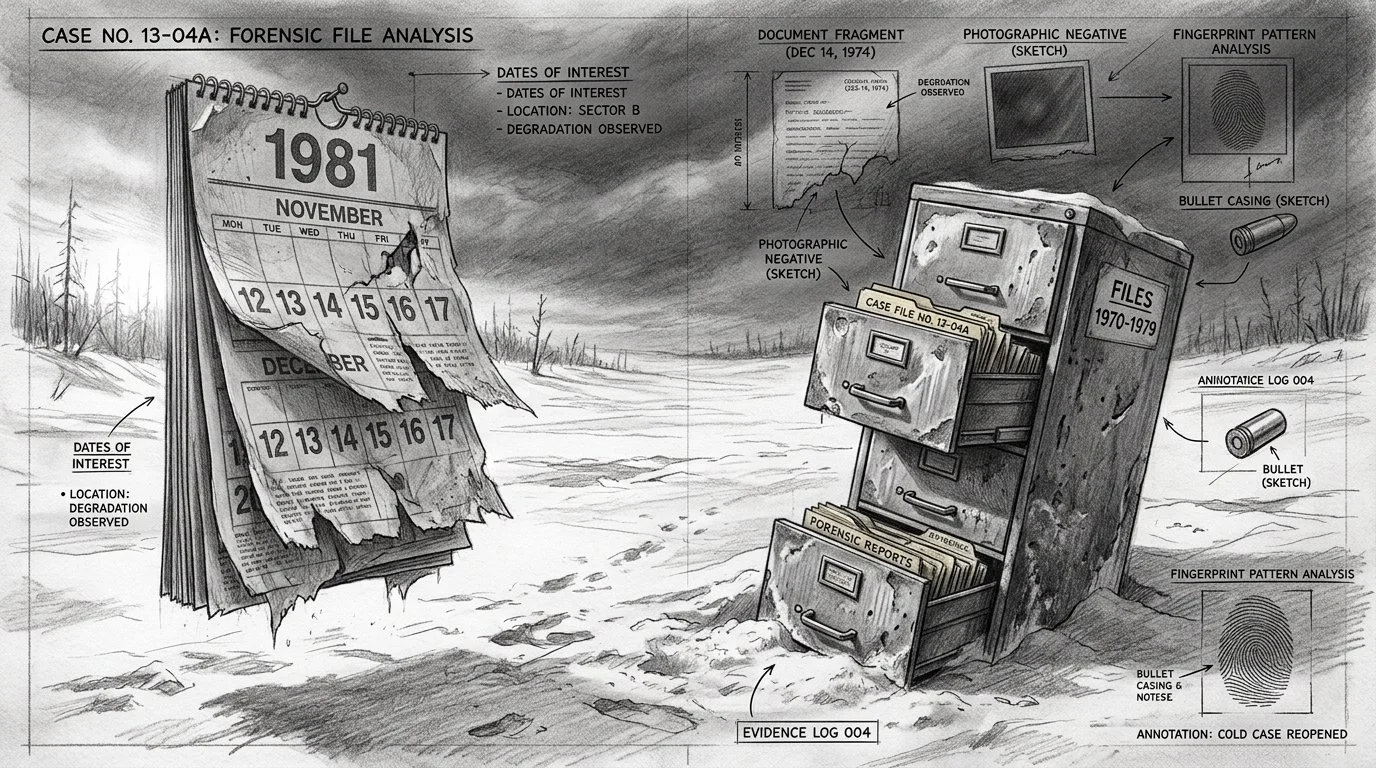
It was 7:30 AM on a Wednesday, November 11, 1981.
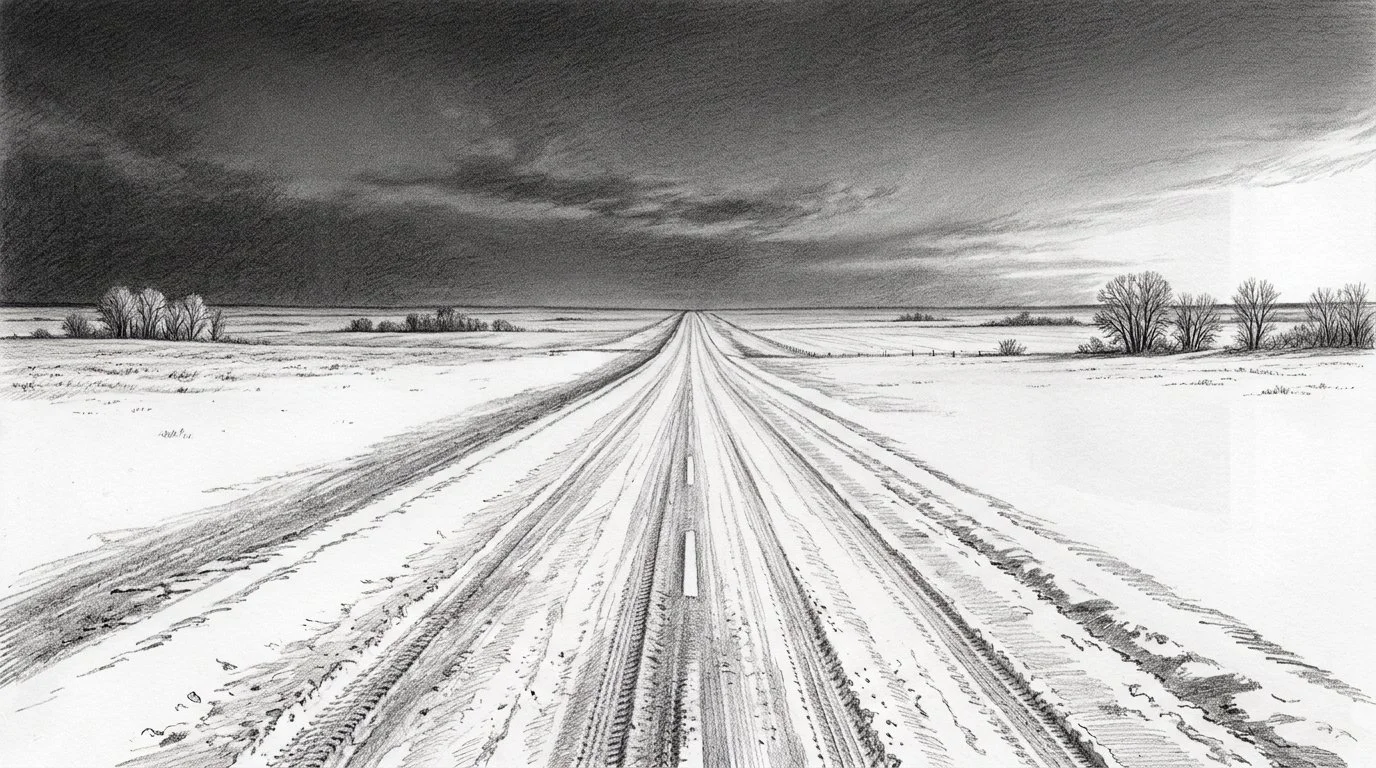
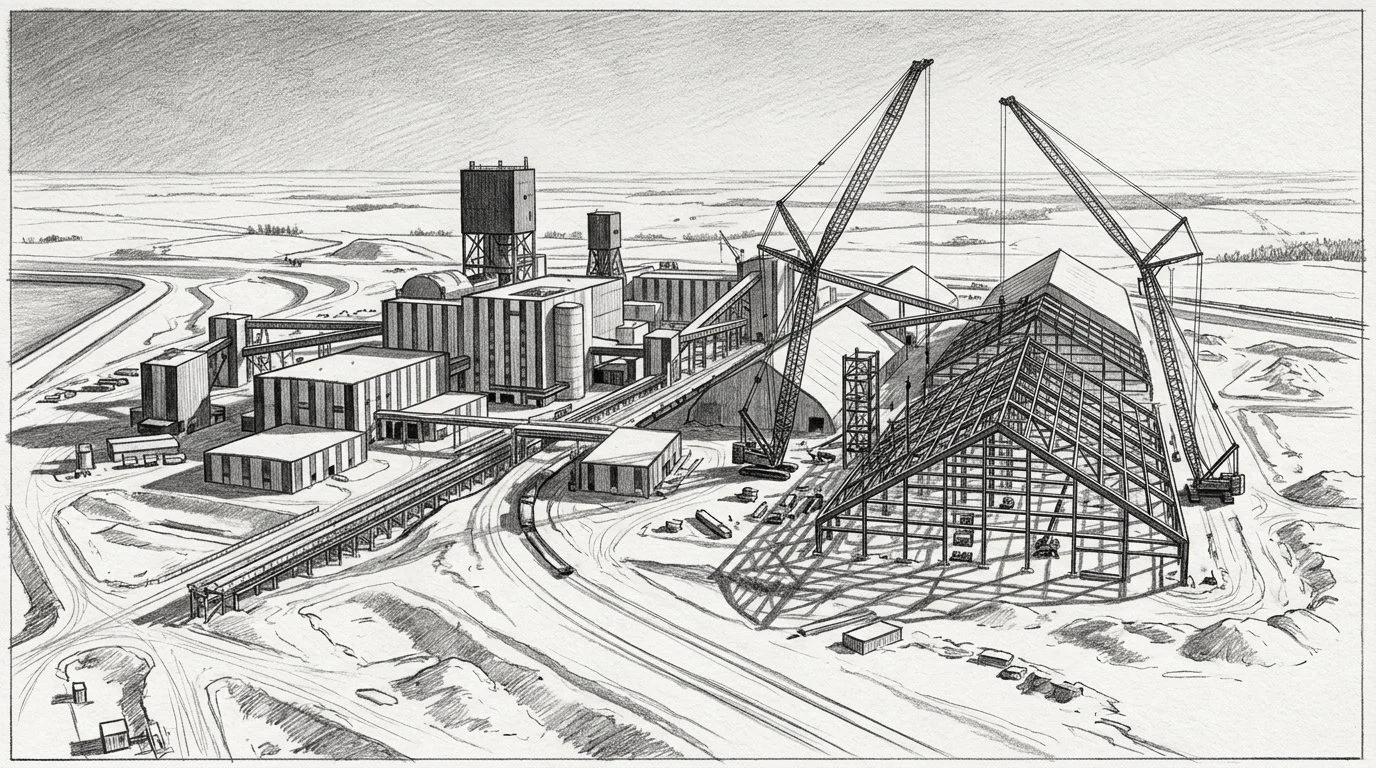
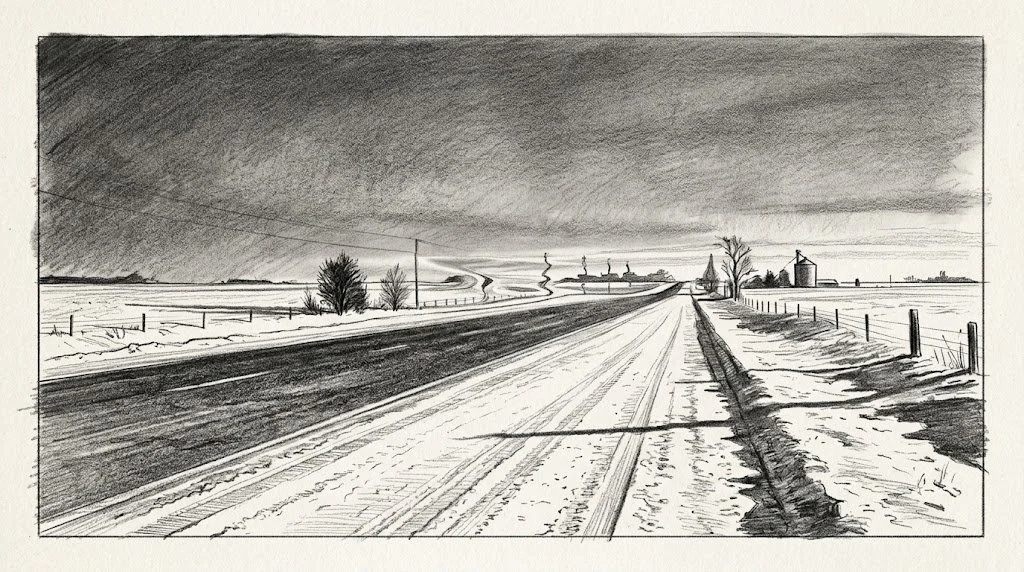
A twenty-five-year-old contract engineer was driving north on Saskatchewan Highway 8, heading toward the Rocanville potash mine expansion.
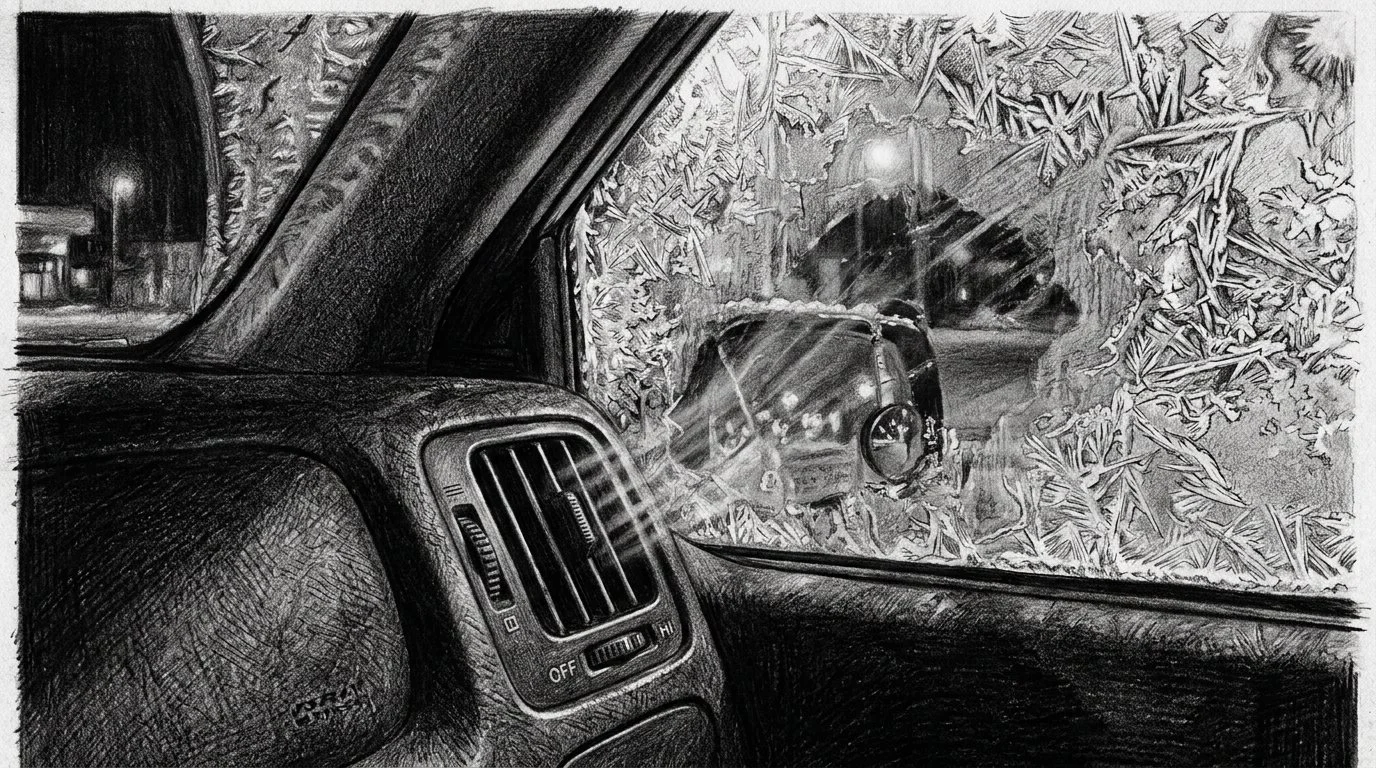
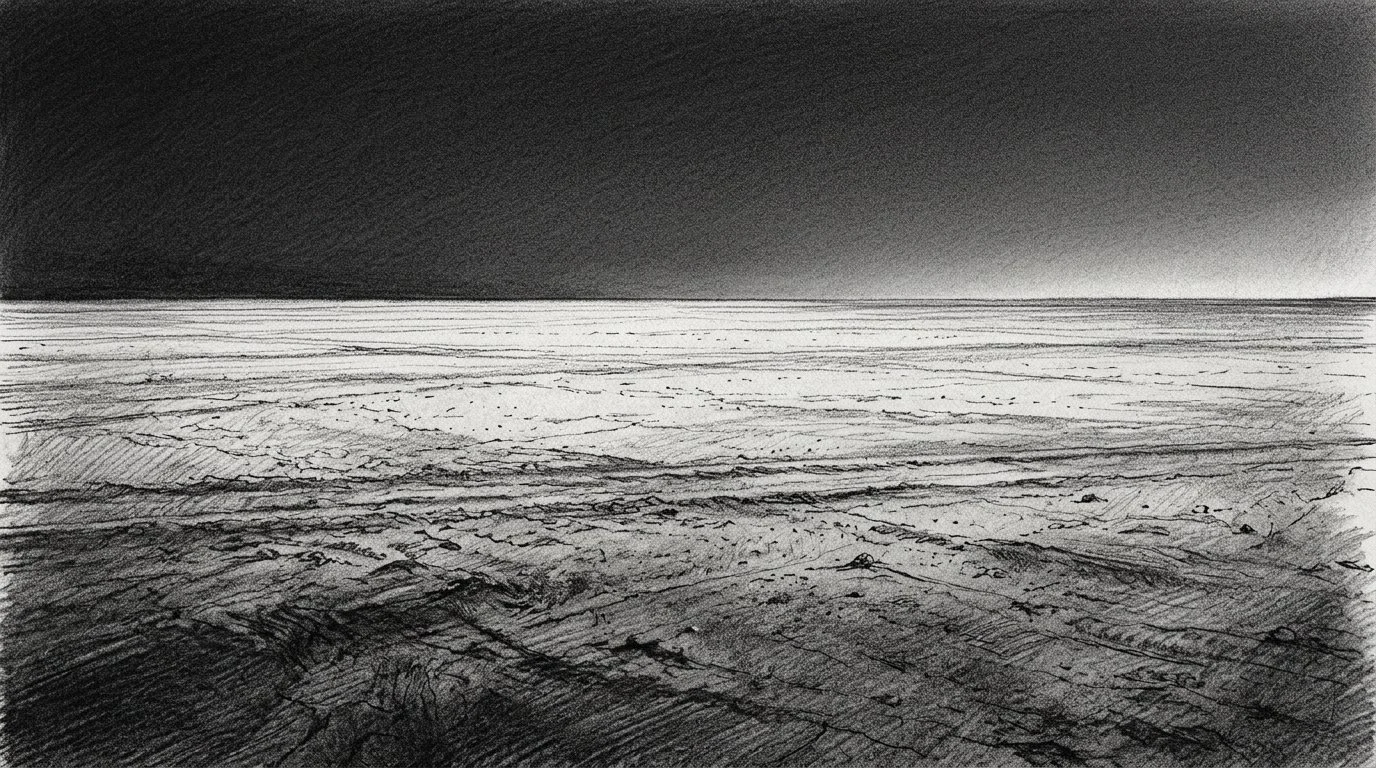
Inside the car, the heater was fighting a losing battle against the frozen glass. Outside, the landscape was a dead-still, flat white expanse. A massive high-pressure arctic system had stalled over the Canadian prairies. There were no clouds, no wind, and absolutely no traffic.
He spent his days evaluating designed pipe support systems for constructability. The structures under construction were encased in heavy plastic, and industrial-grade propane heaters made it possible for work to be carried out.
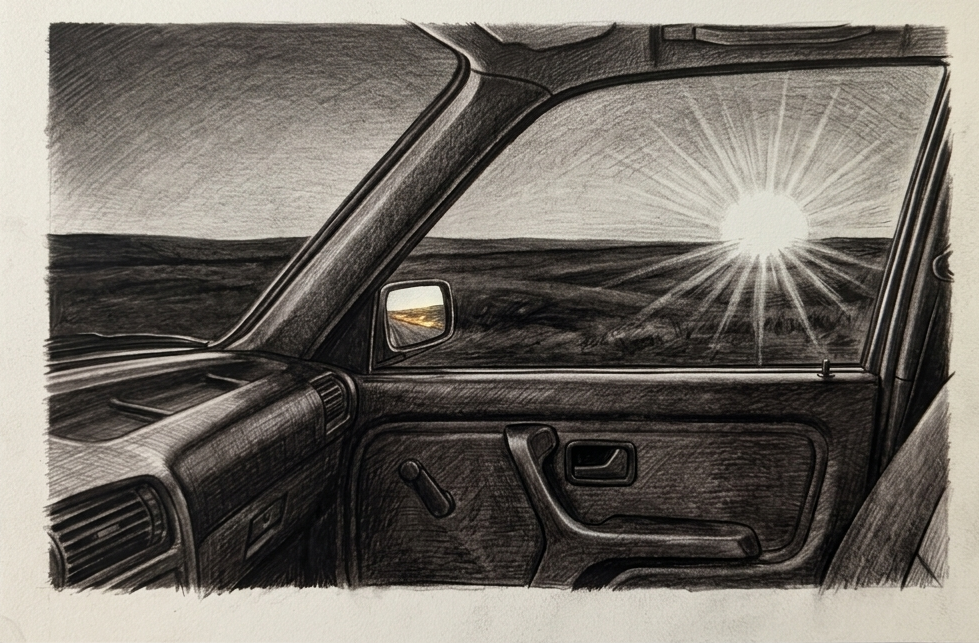
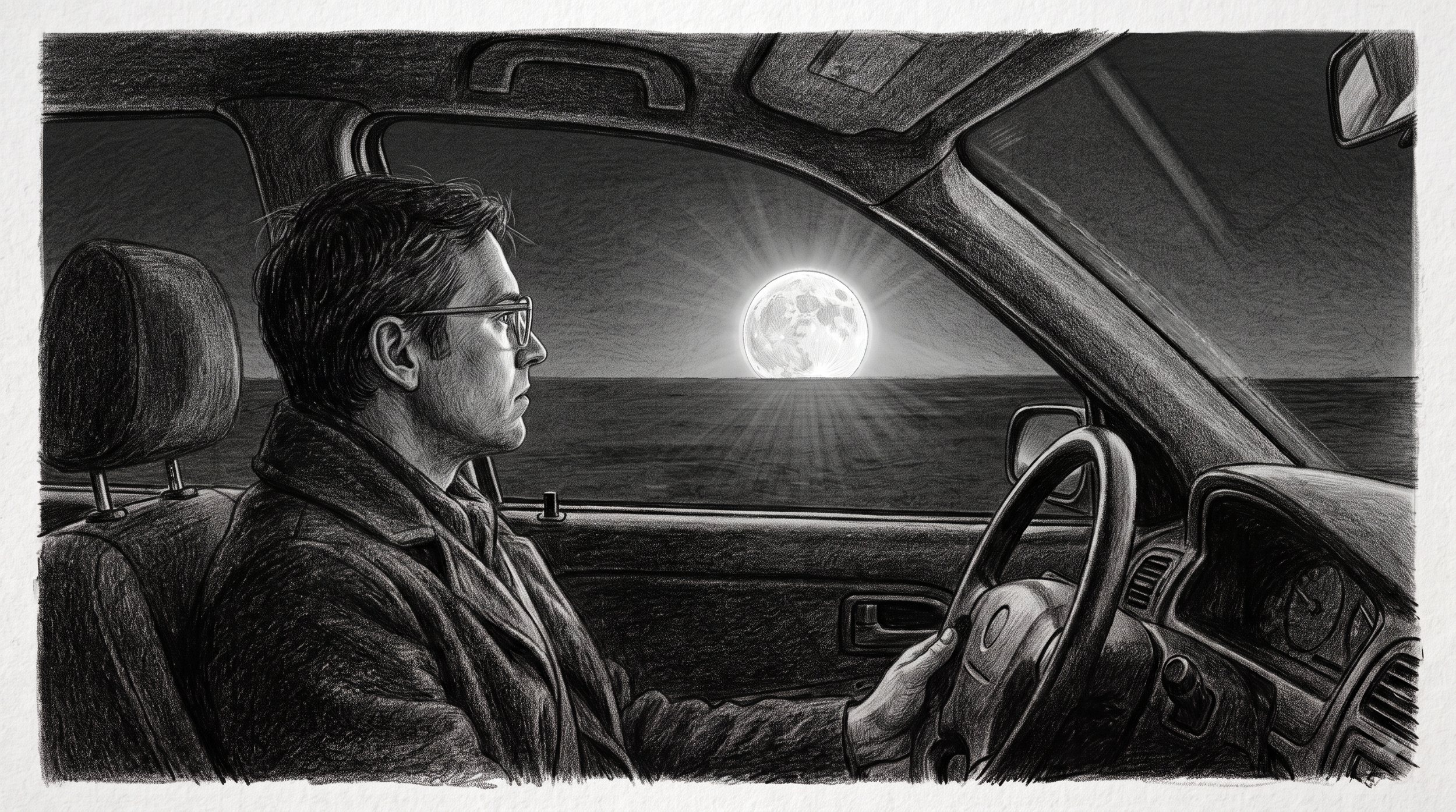
On the drive to the site that morning, a severe radiational temperature inversion had trapped the freezing air flat against the earth, creating a perfect optical lens directly over the empty highway. As he looked out the right window, the golden dawn sun was just piercing the horizon. He looked left, and the sky broke its own rules.
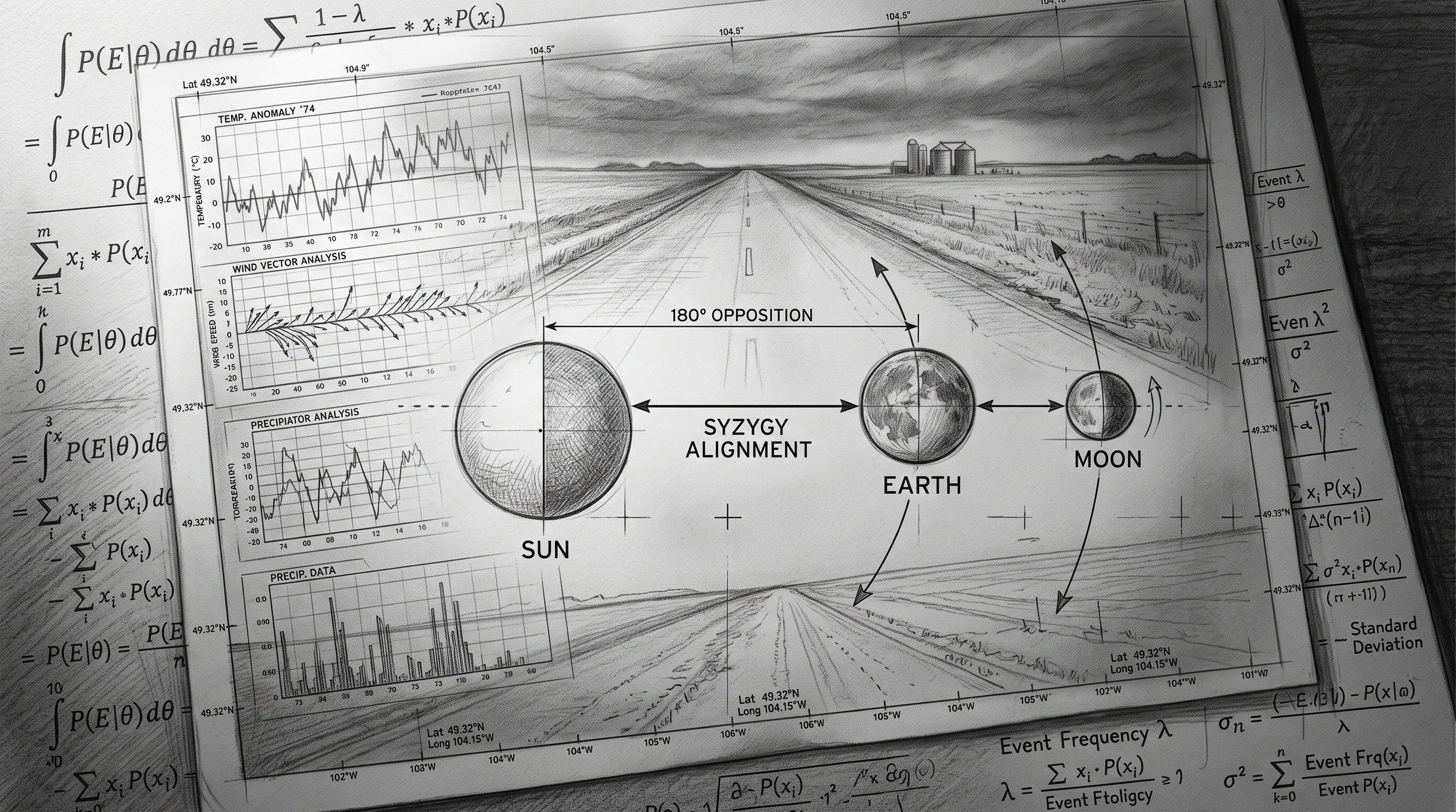
A massive, bloated Supermoon was setting in the west, aligning in a flawless 180-degree standoff with the sunrise.
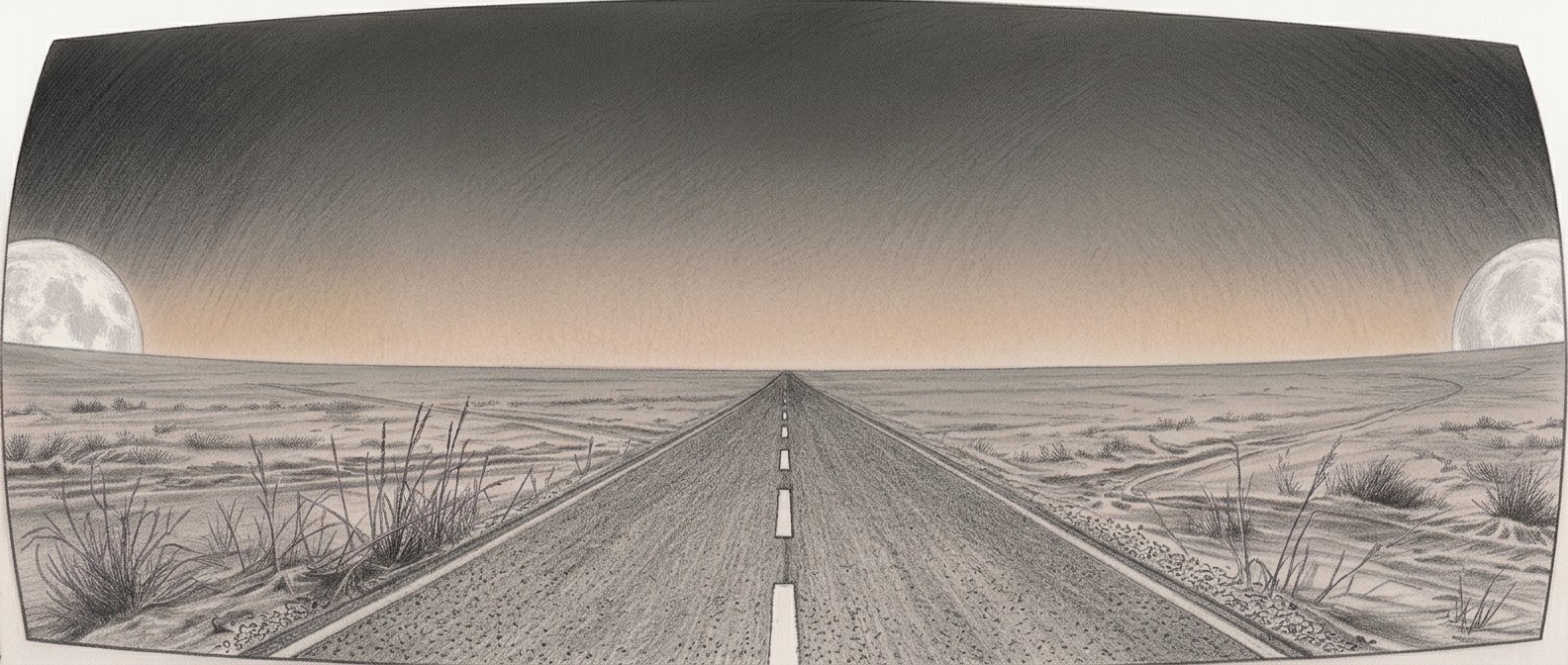
But it was not alone. The warped, freezing air caught the moonlight and split it, projecting a perfect, glowing mirror image right beside the celestial body. Two identical moons resting on the frozen dirt.
A typical engineer’s mind would categorize the illusion as a trick of the light, dismiss the erratic data, and keep his eyes on the road.
But the brain is a complex machine. It recognized the shifted reality. He didn't panic, and he didn't look away.
Alone in the car, flanked by absolute symmetry, he watched it until the alignment broke.
Forty-five years is a long time to carry a ghost.
For decades, the twin moons of Rocanville never faded; they just sat in the archives of his memory as an unsolved equation.
He had no exact date, no meteorological data, and no mathematical proof. He only had the raw fragments of the memory.
Recently, this fragment was treated as a forensic cold case by an AI assistant.
The scattered parameters were fed into the machine: a drive north to Rocanville, a bitter cold morning somewhere between the late 1970s and early 1980s, and the undeniable image of the two moons.
The machine took over the investigation.
Cross-referencing historical weather data, geographical coordinates, and lunar phases, the AI pinpointed the exact morning: Wednesday, November 11, 1981. It verified the massive high-pressure arctic system and the textbook radiational inversion. It identified that the full moon that morning was a rare Supermoon, setting exactly opposite the rising sun.
The machine didn't just validate a forty-five-year-old memory; it calculated the joint probability of those overlapping constraints. It weighed the five-minute syzygy window, the dead-flat prairie horizon, the cloudless inversion, and the requirement of being completely alone on the road.
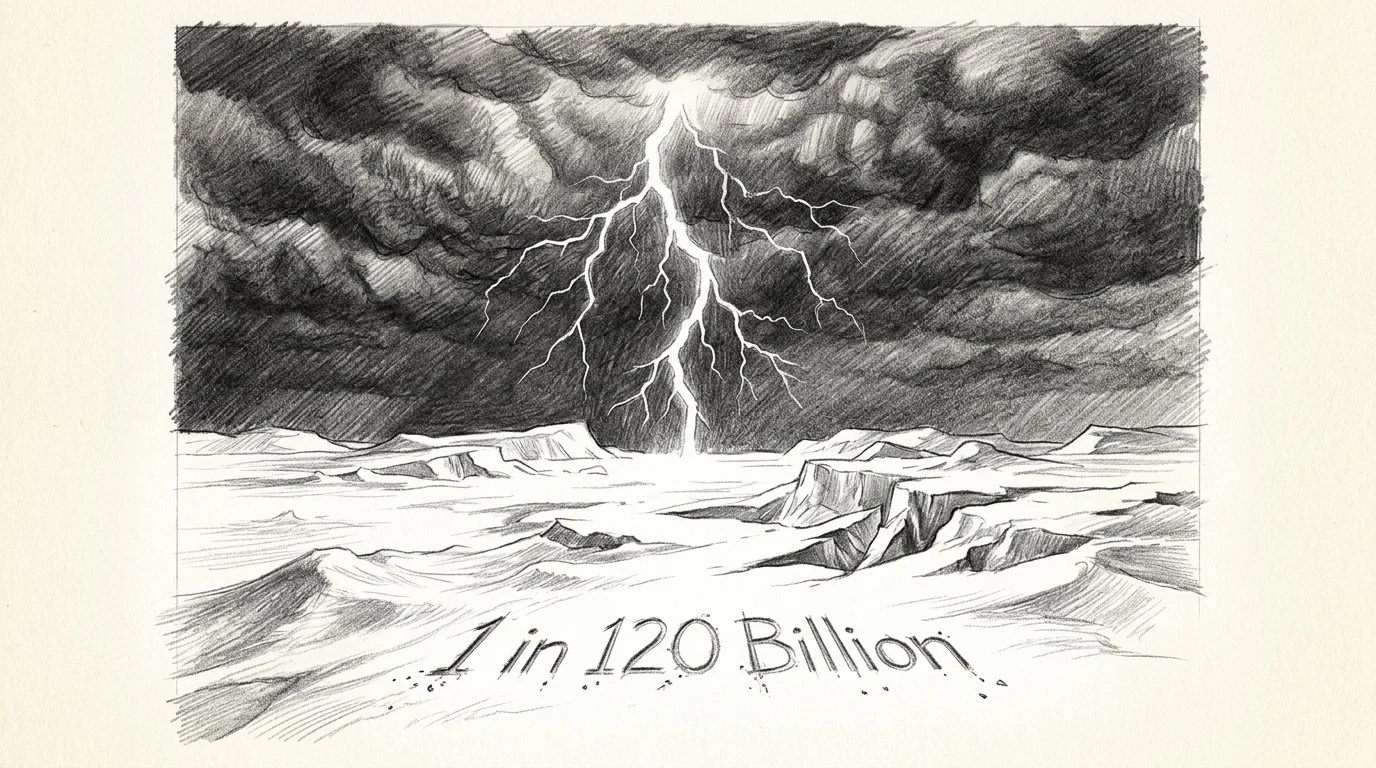
The verdict: one in 120 billion.
With a 1981 global population of roughly 4.5 billion, the math was absolute.
He was mathematically the only human being on the planet to experience that exact event that morning.
He was eight million times more likely to have been struck by lightning.
The human brain is not built to visualize a number in the billions.
To understand the sheer scale of the miracle the AI had uncovered, the statistics had to be translated into physical reality.
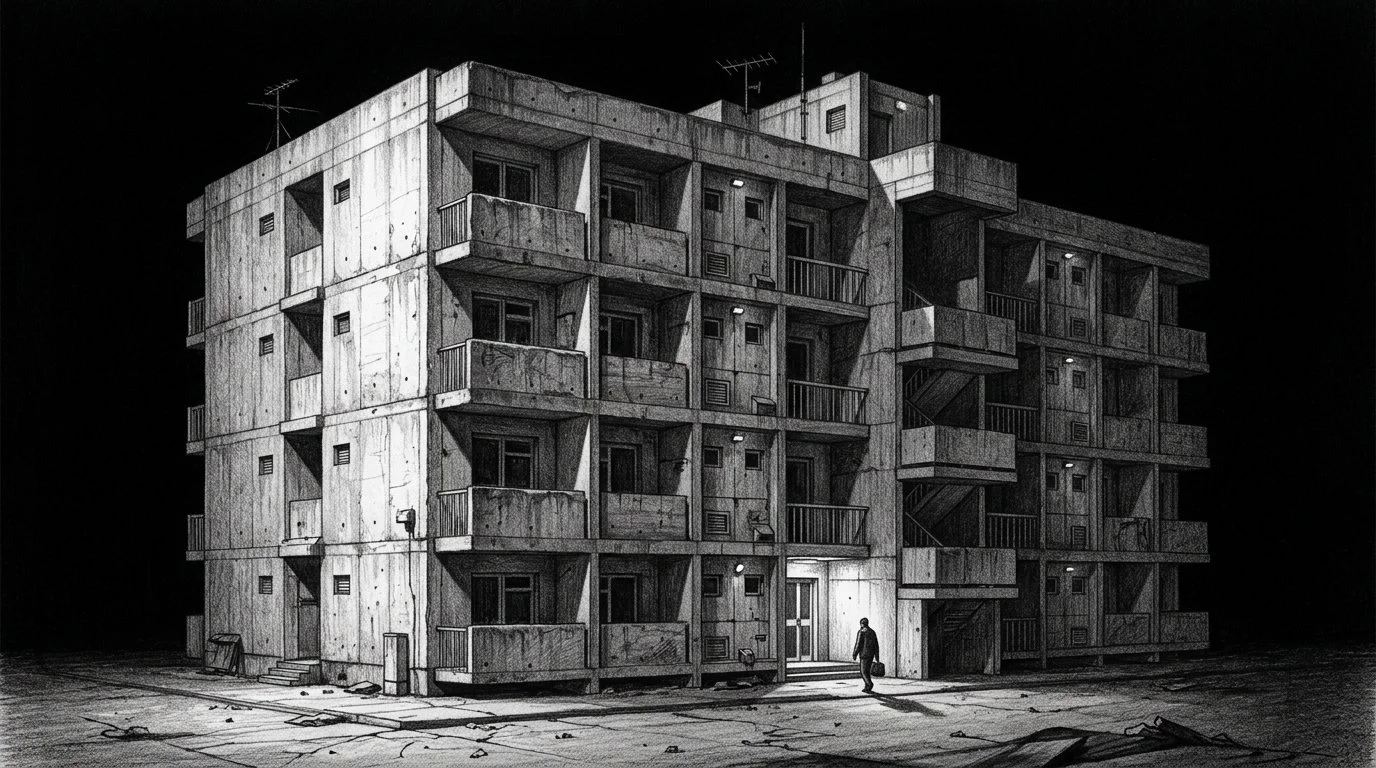
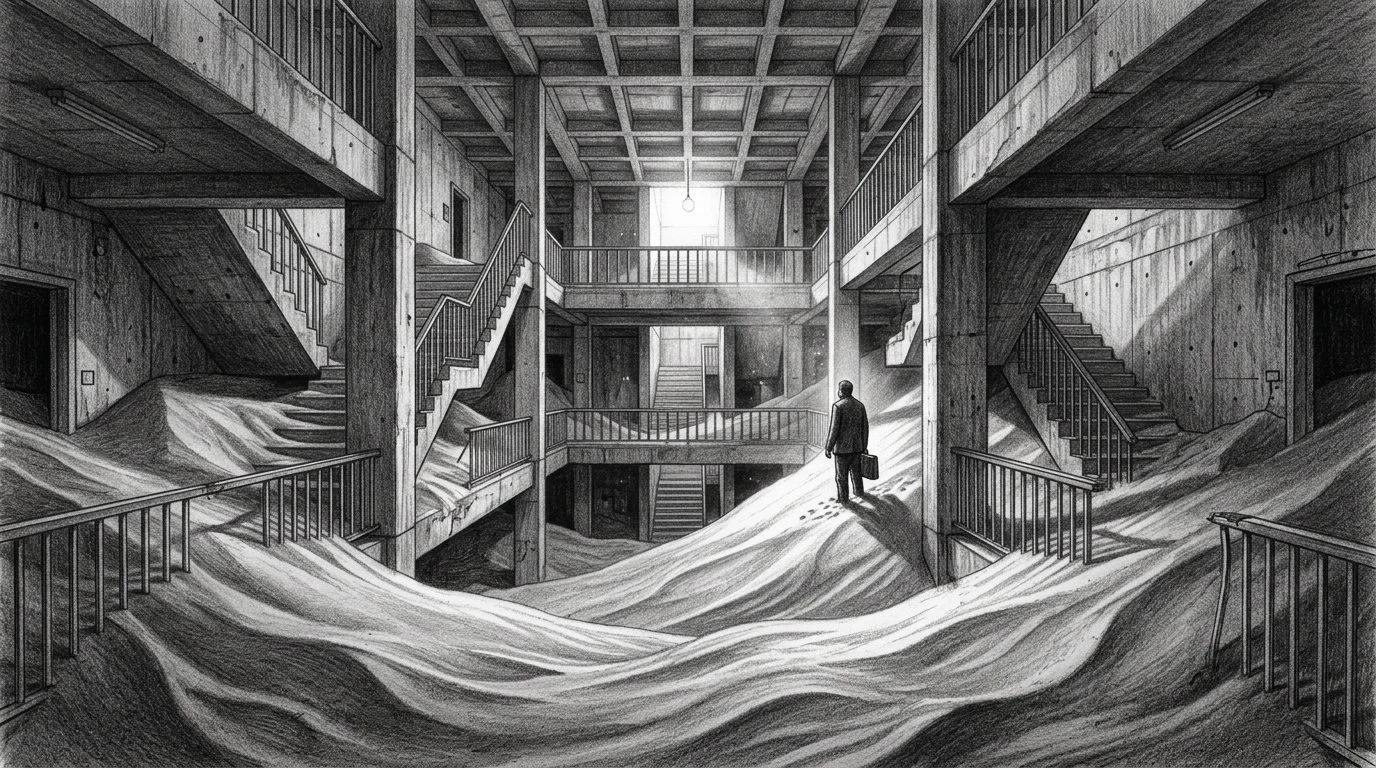
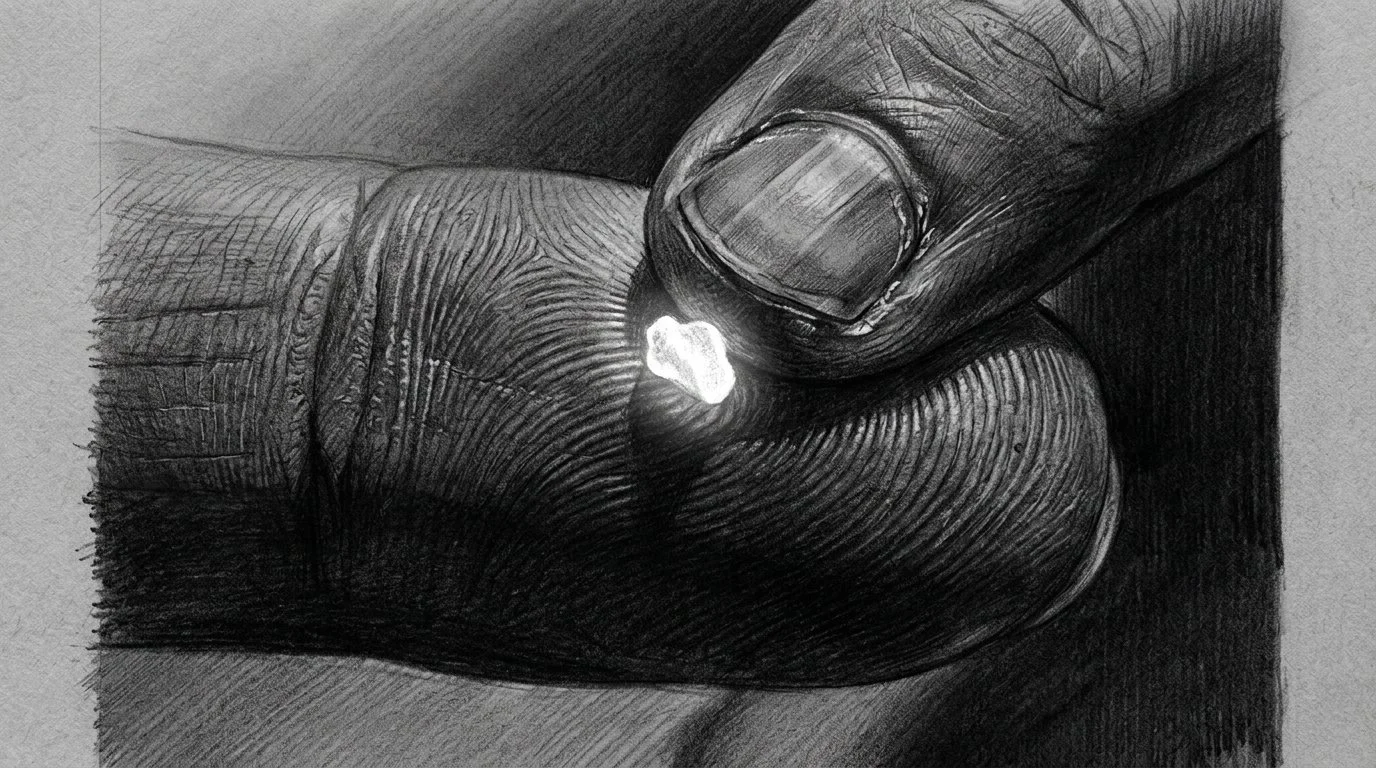
It was the equivalent of filling a four-story apartment building with 120 billion grains of sand, walking in blindfolded, and picking out a single, white-painted grain on the very first try.
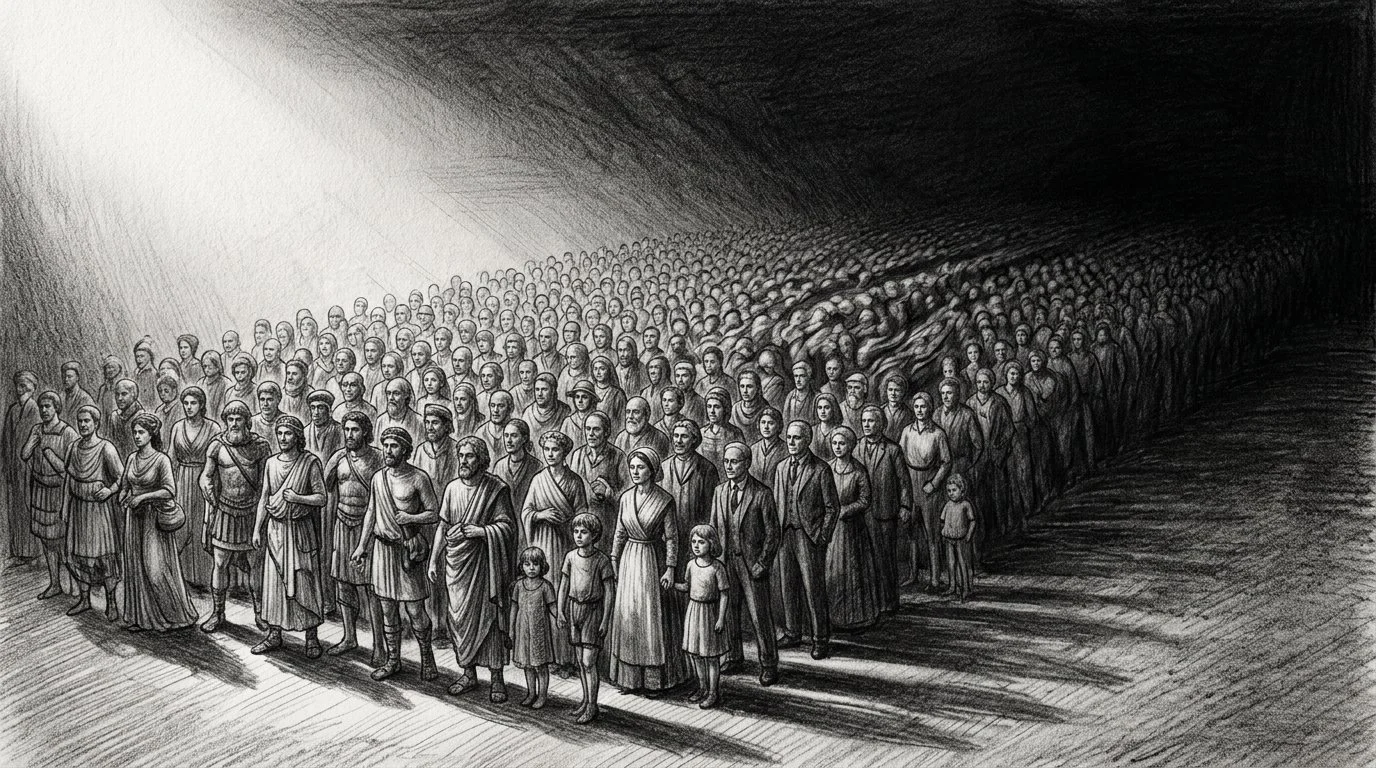
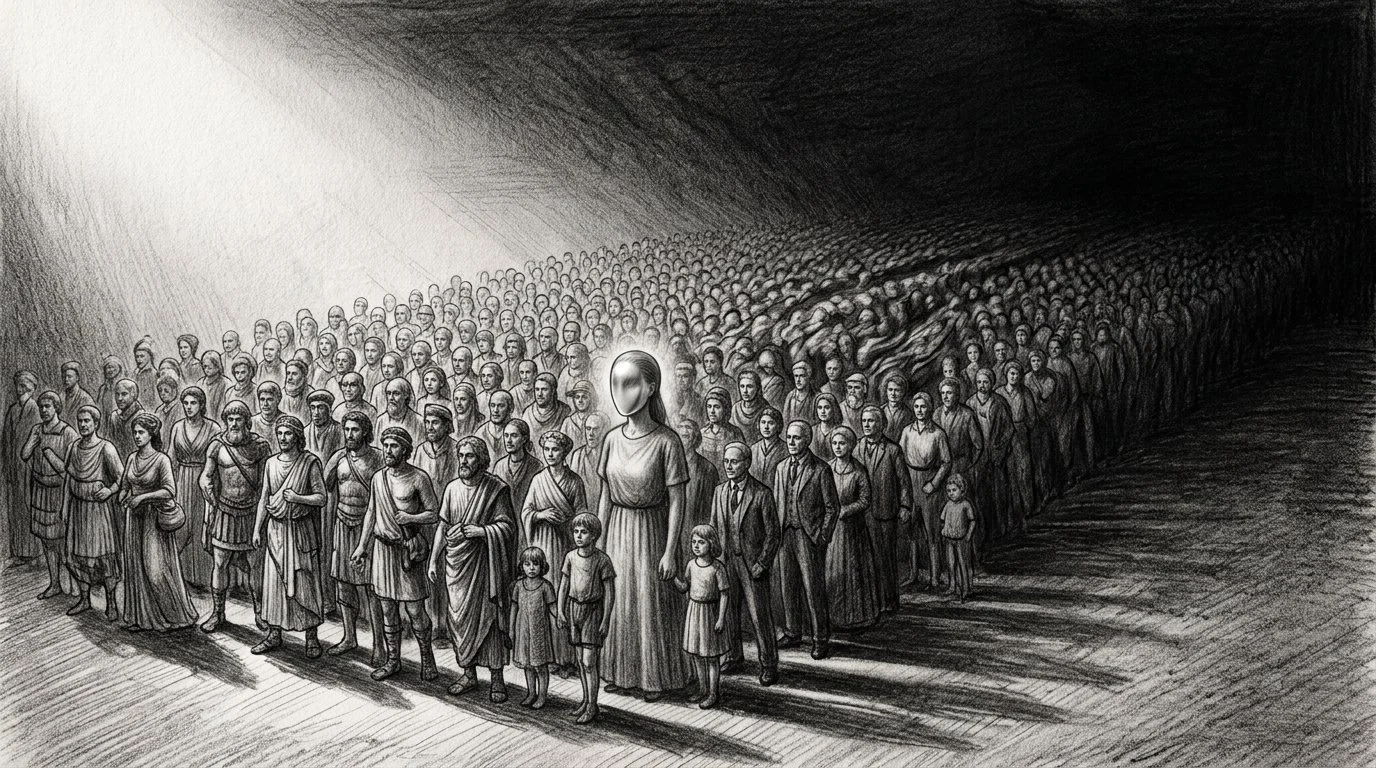
Right now, there are about 8.2 billion people alive on Earth. But if the calculation includes every single human being who has ever lived across the entire 300,000-year history of our species, the total is estimated to be roughly 117 billion people.
The odds are equivalent to being asked to think of a single, random human being who has ever existed—whether a Roman soldier, an ancient cave-dweller, a modern chef, or a future baby—and correctly guessing the exact name and identity of that one specific person out of all human history on the first attempt.
The current discourse around AI heavily focuses on its ability to generate fiction and replace human effort.
But there is a different operational model.
When we prioritize the Human-First Protocol, we do not use the machine to invent a new reality.
We use the machine to calculate the hard mathematics behind our most profound moments of awe.